In this guide
- What is pigmentation?
- The main types of pigmentation
- What is melasma, and why is it different?
- Why "stronger" treatment can make pigmentation worse
- How pigmentation is treated
- A typical treatment timeline
- What to avoid if you have pigmentation
- Pigmentation and hormones
- Pigmentation on specific areas
- How we track progress
- Myths about pigmentation
- Can pigmentation be prevented?
- When to see a doctor
- Pigmentation and melasma treatment at Dr. K, Charni Road
- Frequently asked questions
Dark patches are one of the most common reasons people visit a skin clinic in Mumbai. Some are a stubborn tan from the commute. Some are marks left behind by old pimples. And some are melasma: patchy, symmetrical and frustratingly quick to come back.
The trouble is that these look similar in the mirror, but they are treated very differently. A treatment that clears a tan in a few weeks can make melasma darker. This guide explains the main types of pigmentation, what causes each one, what actually works on Indian skin, and how to stop it coming back. It is written by the team at Dr. K Skin Hair Advance Laser Clinic in Charni Road.
Quick answer: pigmentation is any darker patch of skin. Melasma is one specific, hormone-and-sun-driven type that tends to recur. Tan and sun spots respond well to peels and laser toning. Melasma needs a gentle, combined plan and strict daily sun protection. Getting the diagnosis right comes first.
What is pigmentation?
Your skin colour comes from melanin, a pigment made by cells called melanocytes. When something triggers these cells, such as sunlight, inflammation or hormones, they make more melanin in one area. That area looks darker than the skin around it. This is called hyperpigmentation, or simply pigmentation.
Brown skin has more active melanocytes than lighter skin. That is why Indian skin tans easily and also why it is prone to pigmentation after any irritation or injury.
The main types of pigmentation
| Type | What it looks like | Common causes | How it usually responds |
|---|---|---|---|
| Tan | Even darkening on sun-exposed areas: face, neck, arms, hands | Sun exposure | Fades with sun protection, peels and laser toning |
| Sun spots (solar lentigines) | Small, flat, well-defined brown spots | Years of sun exposure | Respond well to lasers and peels |
| Post-inflammatory hyperpigmentation (PIH) | Brown marks where pimples, cuts, bites or rashes were | Inflammation or injury to the skin | Fades with time, creams and gentle peels |
| Melasma | Symmetrical brown or grey-brown patches on cheeks, forehead, nose, upper lip | Sun, hormones, heat, genetics | Improves with a combined plan, but tends to recur |
| Freckles | Small spots that darken in summer | Genetics and sun | Lighten with sun protection and lasers |
Many people have more than one type at once. For example, it is common to see melasma on the cheeks along with acne marks on the jawline and a tan across the whole face. A proper consultation sorts out which is which.
What is melasma, and why is it different?
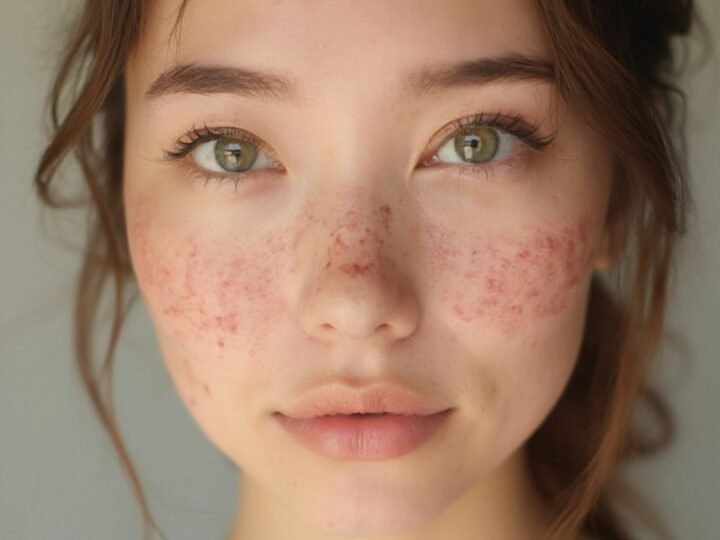
Melasma shows up as brown or grey-brown patches, usually on both sides of the face in a similar pattern. The cheeks, forehead, bridge of the nose and upper lip are the most common places. It is much more common in women, and people with medium to dark skin tones, which includes most Indian skin, are among the most likely to develop it.
Several things drive melasma at the same time:
- Sun and visible light. Sunlight makes skin produce more pigment, which darkens existing melasma and causes new patches. In darker skin, visible light (not just ultraviolet) also plays a role.
- Hormones. Melasma often starts or worsens during pregnancy, with birth control pills or hormone therapy.
- Heat. Heat from cooking, saunas or the Mumbai summer can make it worse, even without direct sun.
- Genetics. It often runs in families.
- Irritation. Harsh scrubs, bleach creams and aggressive peels can inflame the skin and make melasma darker.
This mix of triggers is why melasma behaves differently. It is chronic and it relapses. Even after a successful treatment, the patches can return after a holiday in the sun or a hormonal change. Good treatment lightens the patches; good maintenance keeps them light.
Why "stronger" treatment can make pigmentation worse
It is natural to want the fastest result. But on brown skin, aggressive treatment often backfires.
When the skin is irritated, whether by a strong peel, a hot laser setting, an at-home "de-tan" pack or a scrub, it responds with inflammation. Inflammation triggers melanocytes. The result can be new dark marks, or melasma that becomes darker than before. This is called rebound pigmentation.
So the approach that works is steady and gentle: calm the pigment-making cells, remove excess pigment gradually, and protect the skin from the triggers that restart the process.
How pigmentation is treated
Treatment depends on the type, depth and cause. Most plans combine two or three of these.
1. Daily sun protection (non-negotiable)
Every pigmentation plan starts here. Without it, no treatment lasts.
- Use a broad-spectrum sunscreen with SPF 30 or higher every morning, including cloudy monsoon days and days indoors near windows.
- For melasma, a tinted sunscreen containing iron oxides is preferred, because it also blocks visible light.
- Use enough: about a teaspoon for the face and neck. Reapply every two hours when you are outdoors.
- Add a cap, umbrella or scarf for long periods in the sun.
2. Prescription creams
Topical treatment is the backbone of melasma care and helps with most other types too. Depending on your skin, Dr. Kajal may prescribe:
- Hydroquinone, a well-established pigment-lightening agent, used for limited periods under supervision.
- Combination creams with hydroquinone, a retinoid and a mild steroid, a formula that dermatology sources describe as one of the most effective for melasma, again for limited periods.
- Non-hydroquinone actives such as azelaic acid, kojic acid, niacinamide, arbutin, vitamin C and tranexamic acid, for maintenance or sensitive skin.
These must be used as prescribed. Using strong creams for months without supervision can thin the skin or cause other problems.
3. Chemical peels
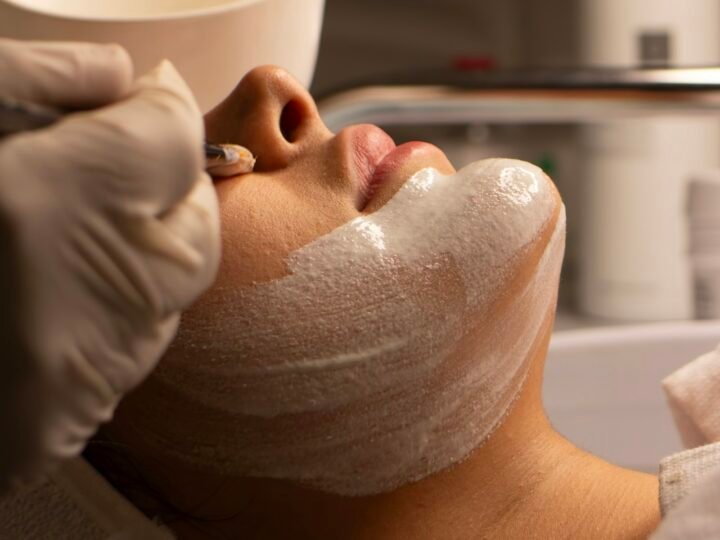
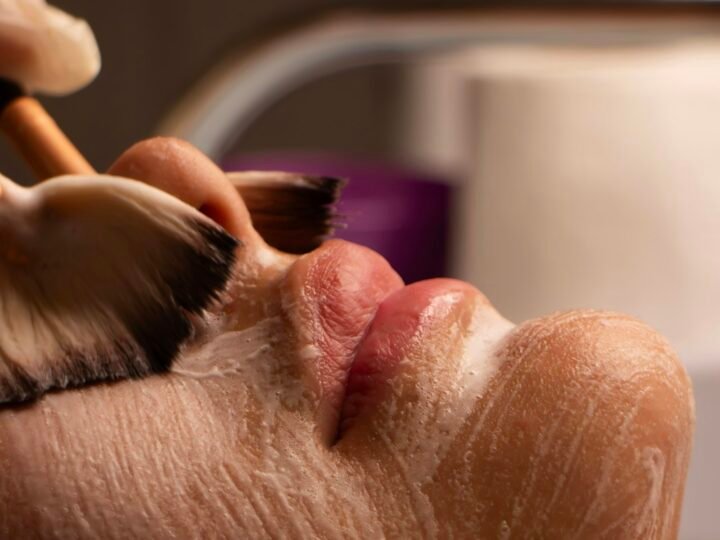
Superficial peels, such as glycolic, lactic, mandelic or salicylic acid, remove the upper layers of skin and the excess pigment in them. They speed up the fading of tan, sun spots and acne marks. For melasma, peels are used carefully, at gentle strengths, and usually after a few weeks of preparing the skin with creams. Read more in our guide to chemical peels.
4. Laser toning
Q-switch laser toning uses very short pulses of low-energy light to break down pigment into tiny particles that the body clears. It is useful for tan, sun spots and some cases of melasma, usually over several sessions a few weeks apart. For melasma, low energy and careful spacing matter, since heat can trigger it.
5. Oral treatment
For stubborn melasma, oral tranexamic acid is sometimes added. It has a good evidence base as an add-on therapy, but it is a prescription medicine and not suitable for everyone, for example people with a history of blood clots. Dr. Kajal checks your history before suggesting it.
A typical treatment timeline
| Stage | What happens | How long |
|---|---|---|
| Consultation | Diagnosis of the type of pigmentation, skin check, history of hormones and medicines | First visit |
| Preparation | Sun protection plus prescription creams to calm and prepare the skin | 2 to 4 weeks |
| Active treatment | Peels and/or laser toning every 2 to 4 weeks, creams continue | 6 to 8 sittings |
| Review | Progress photos and adjustment of the plan | Every 4 to 6 weeks |
| Maintenance | Sunscreen, a gentle maintenance cream, occasional peel or laser session | Ongoing |
Most people see lighter patches within 6 to 8 weeks. Melasma usually needs 3 to 4 months of treatment and then ongoing maintenance.
What to avoid if you have pigmentation
- Lemon juice, raw potato, toothpaste and other home remedies on the face. Many are acidic or irritating, and irritation on brown skin causes more pigment.
- Bleach creams and "instant fairness" products, which can damage the skin barrier.
- Steroid creams bought over the counter. They can seem to lighten skin at first, then cause thinning, acne, redness and rebound darkening.
- Picking at pimples or scabs. This is the most common cause of post-inflammatory marks.
- Harsh scrubs and daily exfoliation.
- Skipping sunscreen on "indoor days". Visible light through windows and screens still reaches the skin.
Pigmentation and hormones
If your melasma started with pregnancy, contraceptive pills or a hormonal condition, the treatment plan takes that into account. During pregnancy and breastfeeding, many creams and oral treatments are avoided, and the focus shifts to sun protection and safe, gentle actives. After pregnancy, melasma often lightens on its own over some months, and treatment can then be stepped up.
If there are signs of a hormonal imbalance, such as irregular periods, acne along the jaw or new facial hair, Dr. Kajal may suggest checking this alongside the skin treatment.
Pigmentation on specific areas
Pigmentation does not only appear on the face, and each area needs a slightly different approach.
Neck. Darkening on the back and sides of the neck is common. It can come from sun and friction, but thick, velvety darkening can also be acanthosis nigricans, which is linked to insulin resistance. If the skin feels velvety, a blood sugar check may be advised alongside treatment.
Underarms. Usually caused by friction, shaving, waxing, deodorants and sweat. Switching to laser hair removal, a gentle deodorant and a mild lightening cream often helps a lot.
Around the eyes. Dark circles have several causes: pigment, thin skin showing blood vessels, hollows that cast shadows, or a mix. Each needs a different treatment, which is why a proper look matters before choosing one.
Lips. Dark lips can come from sun, smoking, lip products, licking the lips, or genetics. Sun protection for the lips and gentle care come first. For lasting colour correction, lip neutralisation is an option at our clinic.
Hands and arms. Sun spots and tan are common on the backs of the hands and forearms from driving and commuting. Sunscreen on the hands is the easiest habit to forget and one of the most useful.
How we track progress
Pigmentation fades slowly, and it is easy to feel that nothing is happening when you look in the mirror every day. That is why we take standard photos at the start and at each review, in the same light and the same position.
Comparing photos every 4 to 6 weeks shows real change, helps decide whether to continue, adjust or pause a treatment, and makes it easier to spot early signs of rebound or irritation. If something is not working after two reviews, the plan changes. You should never be asked to keep paying for sessions that are not helping.
Myths about pigmentation
"Pigmentation is caused by heat in the body." Pigmentation is caused by melanin production in the skin, triggered by sun, hormones, inflammation or genetics. Diet and hydration support skin health, but they do not cause or cure melasma on their own.
"Fairness creams remove pigmentation." Many fairness creams simply add a temporary brightening or covering effect. Some contain hidden steroids that cause damage with long use.
"Laser always makes pigmentation worse on Indian skin." The wrong laser or settings can. Low-energy laser toning, used carefully and spaced correctly, is a useful part of many pigmentation plans.
"Once it is gone, it is gone." Tan and acne marks usually stay away if you protect your skin. Melasma is different: it tends to return without sun protection and maintenance.
Can pigmentation be prevented?
Not all of it, but a lot of it can.
- Wear sunscreen every day, and reapply when outdoors.
- Treat acne early, so it leaves fewer marks.
- Do not pick or squeeze spots.
- Keep skincare simple and gentle.
- Start treatment early. Fresh pigmentation fades faster than patches that have been there for years.
When to see a doctor
See a doctor rather than trying more products if:
- the patches are spreading or getting darker,
- you are not sure whether it is melasma, a tan or something else,
- over-the-counter products have not helped after 8 to 12 weeks,
- a spot is changing in size, shape or colour, bleeding or itching. Any changing spot should be checked in person.
Pigmentation and melasma treatment at Dr. K, Charni Road
At Dr. K Skin Hair Advance Laser Clinic, treatment starts with finding out which type of pigmentation you have. Dr. Kajal Charaniya then builds a plan around your skin: prescription creams, gentle peels, laser toning and sun protection, reviewed every few weeks so nothing is wasted.
The clinic is opposite Earth Castle Mall in Charni Road, open all 7 days from 12 to 9 pm. Read more on our pigmentation and melasma treatment page, or book a consultation.
Frequently asked questions
What is the difference between pigmentation and melasma?
Pigmentation is the general word for any darker patch of skin, including tan, sun spots and marks left by acne. Melasma is one specific type: symmetrical brown or grey-brown patches on the cheeks, forehead, nose or upper lip, driven by sun, hormones and genetics.
Can melasma be cured permanently?
Melasma can be lightened a great deal and kept under control, but it tends to come back, especially with sun exposure or hormonal changes. Lifelong sun protection and maintenance treatment are part of managing it.
Which is the best treatment for pigmentation on Indian skin?
It depends on the type. Tan and sun spots respond well to peels and laser toning. Acne marks fade with the right creams and peels. Melasma needs a gentle, combined plan with strict sun protection, because aggressive treatment can make it darker.
How long does pigmentation treatment take to show results?
Most people see lighter patches in 6 to 8 weeks. Melasma usually needs 3 to 4 months of treatment and then ongoing maintenance.
Does sunscreen really help pigmentation?
Yes. Sunlight makes skin produce more pigment, which darkens existing patches and creates new ones. A broad-spectrum sunscreen of SPF 30 or more, ideally tinted with iron oxides, is one of the most important parts of treatment.
Can I use home remedies like lemon or bleach on pigmentation?
It is best not to. Lemon juice, bleach creams and harsh scrubs irritate the skin, and irritation on brown skin often leaves more pigmentation, not less.
References
- Melasma: Diagnosis and treatment – American Academy of Dermatology
- Melasma: Overview – American Academy of Dermatology
- Melasma (facial pigmentation) – DermNet
- Melasma – StatPearls, NCBI Bookshelf
- Newer and upcoming therapies for melasma – Indian Journal of Dermatology, Venereology and Leprology
- How to apply sunscreen – American Academy of Dermatology