In this guide
- What is a chemical peel?
- Light, medium and deep peels
- Which peel for which concern?
- Medicated peels vs salon peels
- Why preparation matters on Indian skin
- What happens during a peel
- What to expect afterwards
- Aftercare: the most important part
- Who should avoid chemical peels, or wait
- Peels before events and weddings
- Chemical peels vs other treatments
- Peels and Mumbai's seasons
- What a peel really feels like
- Warning signs after a peel
- What decides the cost of a peel
- Peels for areas other than the face
- Common myths about chemical peels
- How peels fit into a skincare routine
- Chemical peels at Dr. K, Charni Road
- Frequently asked questions
"Chemical peel" sounds harsh, and many people picture red, raw skin shedding in sheets. In reality, most peels done in skin clinics in India are light peels. They cause a little tingling, sometimes some flaking for a few days, and leave skin brighter and smoother over a course of sessions.
Peels are one of the most useful tools for tan, acne, dullness and pigmentation. They are also one of the most misused, because the wrong peel on brown skin can leave dark patches. This guide explains how peels work, the types, which peel suits which concern, how to prepare, and how to care for your skin after. It is written by the team at Dr. K Skin Hair Advance Laser Clinic in Charni Road.
Quick answer: a chemical peel uses a controlled acid solution to remove the outer layers of skin so fresher skin comes through. Light peels suit Indian skin well for tan, acne, dullness and pigmentation, with little or no downtime. Plan 4 to 6 sittings, 2 to 3 weeks apart. Sunscreen afterwards is essential.
What is a chemical peel?
A chemical peel is an acid solution applied to the skin for a set time. It loosens the bonds between dead skin cells so they shed faster, and at higher strengths it removes deeper layers. As the skin renews itself, it looks brighter and more even, and texture improves.
Depending on the acid, a peel can also unclog pores, reduce oil, calm acne, and break up excess pigment. That is why the same word, "peel", covers treatments for very different problems.
Light, medium and deep peels
Peels are grouped by how deep they work. The deeper the peel, the more it can do, and the longer and riskier the healing.
| Depth | Common acids | What it treats | Healing time |
|---|---|---|---|
| Light (superficial) | Glycolic, lactic, mandelic, salicylic, low-strength TCA | Tan, dullness, mild acne, acne marks, uneven tone | Hours to about a week |
| Medium | Higher-strength TCA, combination peels | Deeper pigmentation, fine lines, some scars | About 1 to 2 weeks |
| Deep | Phenol | Deep wrinkles, severe sun damage | 2 to 3 weeks or more |
For Indian skin, superficial peels are considered safe and are used most often. Medium peels are used with great caution, and deep peels are rarely appropriate for darker skin types, because the risk of lasting pigment changes is much higher.
Which peel for which concern?
| Concern | Peels that are often used |
|---|---|
| Tan and dullness | Glycolic, lactic, mandelic, brightening combination peels |
| Active acne and oily skin | Salicylic acid, which dissolves oil inside pores |
| Acne marks (dark spots after pimples) | Glycolic, mandelic, salicylic, lightening combination peels |
| Melasma | Gentle peels only, after preparing the skin, alongside creams and sun protection |
| Fine lines and texture | Glycolic or light TCA over a course |
| Sensitive skin | Mandelic or lactic acid, which are gentler |
The strength, the number of layers and the time on the skin matter as much as the acid itself. That is why the same peel can be gentle in one clinic and cause problems in another.
Medicated peels vs salon peels
A salon "peel" is usually a very mild exfoliating product used as part of a facial. A medicated peel is different in three ways:
- It is chosen after a diagnosis. A doctor decides whether a peel suits you and which one.
- The strength is controlled. Medical-grade peels are available at strengths that are not sold for home or salon use, and the doctor adjusts them for your skin.
- It is part of a plan. Preparing the skin before, the number of sessions, home care and sun protection are all planned together.
This is what makes peels safe for brown skin.
Why preparation matters on Indian skin
Brown skin is prone to post-inflammatory hyperpigmentation: dark marks after any irritation. Peeling skin that is not prepared, or that is already tanned or inflamed, raises that risk.
That is why many plans include priming the skin for 2 to 4 weeks before the first peel, usually with:
- a daily broad-spectrum sunscreen of SPF 30 or higher,
- a lightening cream, such as one containing hydroquinone or other pigment-reducing actives, as prescribed,
- sometimes a mild retinoid, to help the peel work evenly.
Priming helps the peel penetrate evenly and lowers the risk of dark patches afterwards.
What happens during a peel
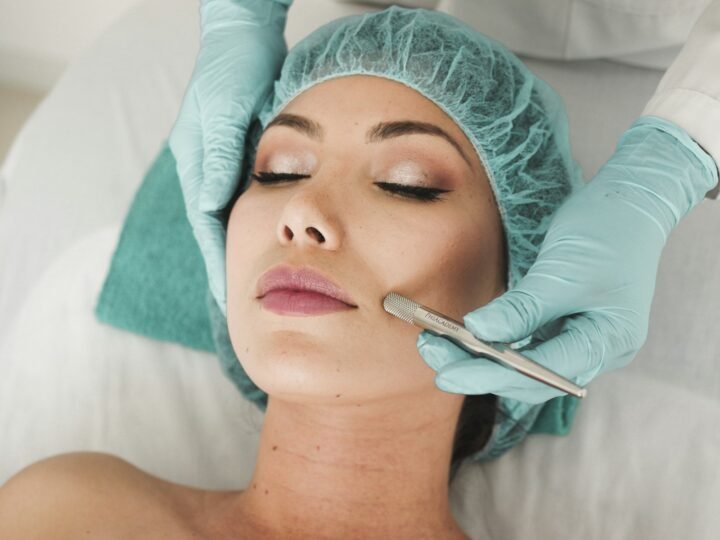
- Consultation and skin check. Dr. Kajal checks your skin type, concerns, current skincare, medicines, and any history of cold sores or reactions.
- Cleansing. Makeup and oil are removed so the peel works evenly.
- Protection. Sensitive areas such as the corners of the eyes, nose and lips are protected.
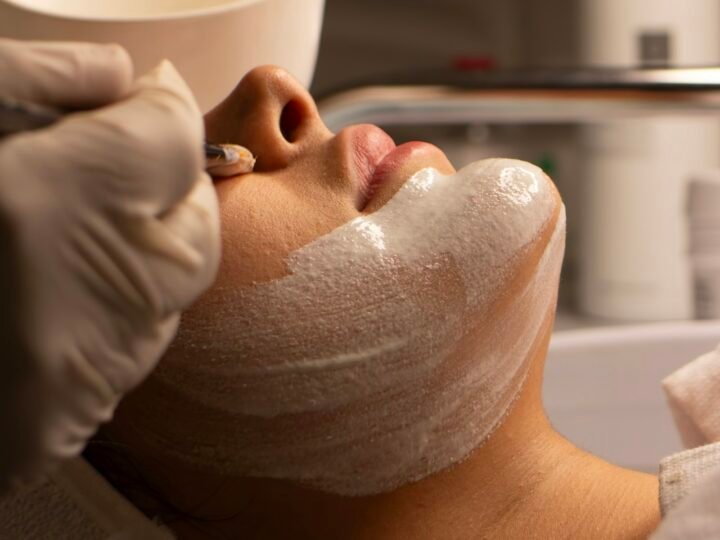
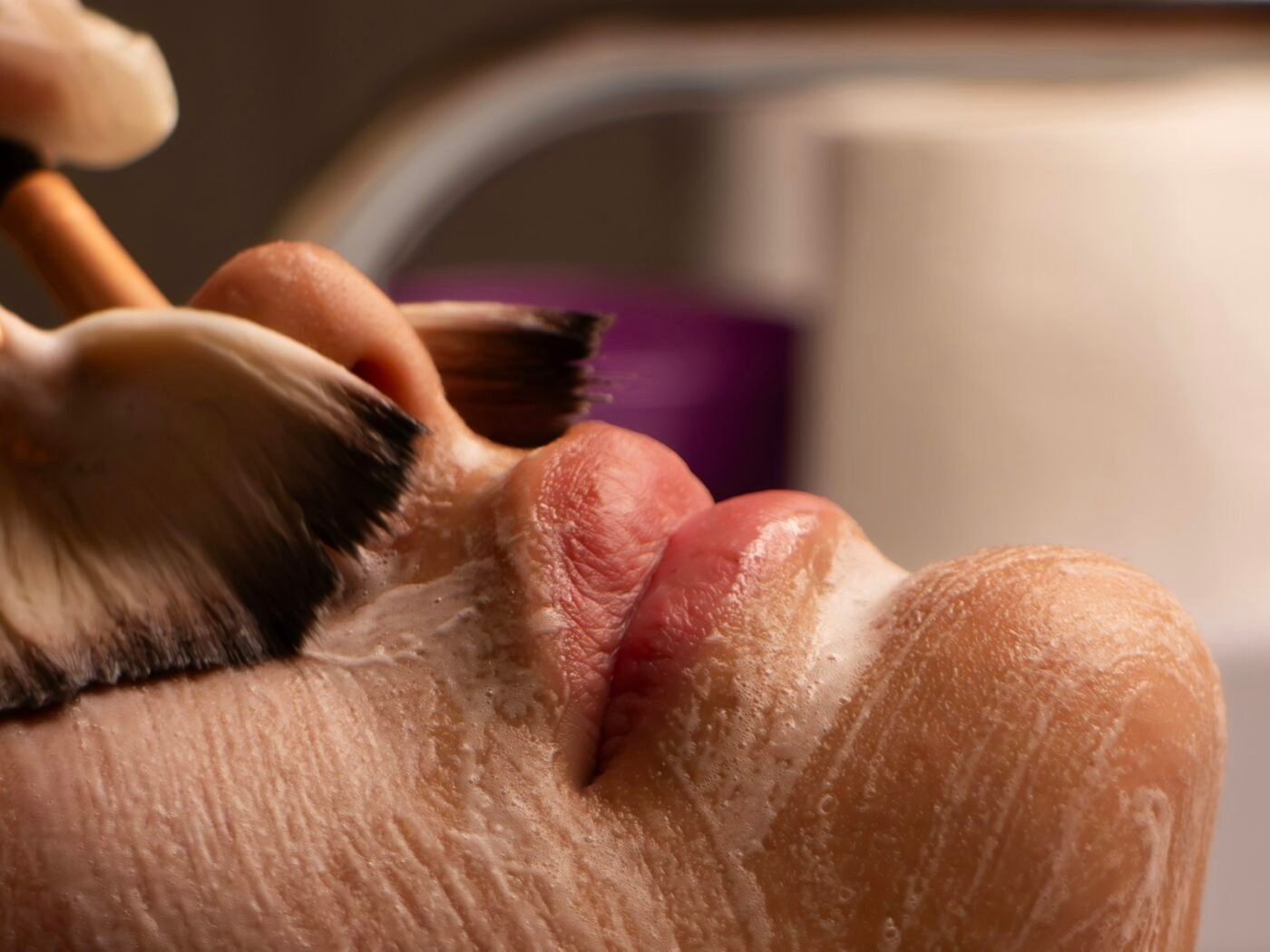
- Application. The peel is applied in even layers and timed carefully. You feel tingling, warmth or mild stinging for a few minutes. A small fan helps.
- Neutralising or removal. Depending on the peel, it is neutralised or rinsed off at the right moment.
- Soothing and sunscreen. A calming moisturiser and sunscreen finish the session.
A light peel takes 20 to 30 minutes.
What to expect afterwards
After a light peel:
- Day 0 to 1: mild redness and tightness, like a light sunburn. Many people have no visible change.
- Days 2 to 4: light flaking, often around the mouth and nose.
- Day 5 onwards: skin looks brighter and smoother.
Results build over a course. Most people see a clearly brighter skin within a week of the first peel, and tan, acne and pigmentation improve over 4 to 6 sittings, 2 to 3 weeks apart.
Aftercare: the most important part
How you treat your skin in the week after a peel decides how good the result is, and how safe.
- Sunscreen, every day, generously. Freshly peeled skin burns and tans easily. Use a broad-spectrum SPF 30 or higher, and reapply when outdoors.
- Gentle cleanser and a plain moisturiser. Nothing foaming, scented or active.
- Do not pick or pull flaking skin. Let it come off on its own. Picking can leave marks.
- Pause retinoids, scrubs and strong acids for about a week, or as advised.
- No waxing, threading or laser on the area for about a week.
- Avoid steam, saunas and intense workouts for 24 to 48 hours.
- Call the clinic if you notice blistering, crusting, severe redness or dark patches.
Who should avoid chemical peels, or wait
A peel may not be right, or may need to wait, if you:
- are pregnant or breastfeeding (most peels are avoided),
- have an active cold sore, infection, open wound or eczema flare on the face,
- have a fresh tan or sunburn,
- have taken oral isotretinoin for acne in the recent past (your doctor will advise how long to wait),
- have very sensitive or reactive skin, rosacea or a history of keloids (a gentler approach is needed),
- are unable to avoid the sun in the week after treatment.
Peels before events and weddings
Peels are a great part of a pre-event plan when timed well:
- 2 to 3 months before: start a course if you want to fix tan, acne or pigmentation.
- 7 to 10 days before: your last light peel.
- The final week: nothing new. A gentle Hydrafacial 3 to 5 days before is a safer choice for a last-minute glow.
Our pre-wedding skin plan covers the full timeline.
Chemical peels vs other treatments
| Chemical peel | Hydrafacial | Laser toning | Microneedling | |
|---|---|---|---|---|
| Best for | Tan, acne, marks, dullness | Congestion, dullness, hydration | Tan, pigmentation, uneven tone | Acne scars, texture |
| Downtime | None to a few days of flaking | None | None | 1 to 2 days of redness |
| Typical course | 4 to 6 sessions | Monthly | 4 to 8 sessions | 4 to 6 sessions |
Many plans combine these. For example, peels for acne marks alongside microneedling for acne scars, or peels and laser toning together for tan and pigmentation.
Peels and Mumbai's seasons
Mumbai's weather changes how skin behaves, and peel plans change with it.
- Monsoon (June to September): humidity makes skin oilier and more prone to breakouts and fungal infections. Salicylic acid peels for oil and acne work well now. Cloudy skies still let through the light that causes tanning, so sunscreen stays essential.
- Post-monsoon and October heat: strong sun and sweat. Keep peels light, and be strict about sun protection in the week after each session.
- Winter (November to February): the wedding and festival season, with slightly drier air. A good time for a course of brightening peels, with a richer moisturiser if your skin feels tight.
- Summer (March to May): intense sun. Peels are still possible, but only if you can protect your skin from the sun afterwards. If you will be outdoors a lot, it may be better to pause or switch to gentler treatments.
What a peel really feels like
People often worry about pain, so here is an honest description. As the peel is applied, you feel tingling and warmth that builds over a minute or two, sometimes with mild stinging, especially around the nose and mouth. A small fan makes a big difference. It eases as soon as the peel is neutralised or removed.
Afterwards, skin may feel tight and slightly warm for a few hours, like after a day in the sun. Over the next few days, it may feel dry, and fine flakes may appear. Most people go back to work the same day.
Warning signs after a peel
Mild redness, tightness and light flaking are normal. Contact the clinic promptly if you notice:
- blisters, oozing or crusting,
- redness or pain that is getting worse after the first day,
- swelling around the eyes or lips,
- dark or grey patches appearing,
- signs of infection, such as yellow crusts or increasing tenderness,
- a cold sore breaking out after the peel.
Early treatment of any of these gives the best outcome, especially on brown skin.
What decides the cost of a peel
The price depends on the type of peel, its strength, the area treated (face, neck, back, underarms), and whether it is part of a course with preparation creams and review visits. A course of peels planned with the right home care often costs less overall than repeated one-off treatments that are not matched to your skin.
Peels for areas other than the face
Peels are not only for the face. With the right acid and strength, they can also help:
- Back and chest acne, with salicylic acid peels.
- Dark underarms and inner thighs, with gentle lightening peels, alongside stopping the friction or shaving that caused them.
- Tanned hands and forearms, with brightening peels.
- The neck, which needs gentler peels than the face because the skin is thinner.
Common myths about chemical peels
"Peels thin your skin." Superficial peels remove dead cells from the surface, and a course can actually thicken the healthy layers underneath by stimulating renewal.
"If it doesn't peel, it didn't work." Light peels often cause no visible peeling at all and still work.
"Stronger peels give faster results." On brown skin, stronger often means more risk, not better results. A steady course of well-chosen light peels is usually the better route.
"Peels are only for women." Men's skin benefits too, especially for oiliness, acne, and darkening from shaving.
How peels fit into a skincare routine
A peel resets the surface, but home care keeps the result. Between sessions, most people do well with:
- a gentle cleanser,
- a moisturiser suited to your skin type,
- sunscreen every morning,
- one targeted active chosen by your doctor, such as niacinamide, azelaic acid or a retinoid, introduced carefully.
Using several strong actives at once at home, on top of peels, is a common cause of irritation. Keep it simple, and ask before adding something new.
Chemical peels at Dr. K, Charni Road
At Dr. K Skin Hair Advance Laser Clinic, every peel is chosen by Dr. Kajal Charaniya after checking your skin. We use medicated peels at strengths suited to Indian skin, prepare the skin where needed, and plan sessions and home care around your concern and your calendar.
The clinic is opposite Earth Castle Mall in Charni Road, open all 7 days from 12 to 9 pm. Read more on our medicated chemical peels page, or book a consultation.
Frequently asked questions
Are chemical peels safe for Indian skin?
Yes, superficial peels are considered safe for Indian skin when the peel and strength are chosen by a doctor experienced with darker skin. Medium and deep peels carry a higher risk of pigmentation and are used with great caution, if at all.
How many chemical peel sessions do I need?
Most people need 4 to 6 sittings, 2 to 3 weeks apart, for tan, acne or pigmentation. Maintenance peels every one to two months help keep results.
Will my skin peel after a chemical peel?
After a light peel, you may see mild redness and light flaking for 2 to 4 days, or nothing visible at all. Heavy peeling is more typical of medium and deep peels.
Can I do a chemical peel before a wedding or event?
Yes, but plan ahead. Do your last light peel 7 to 10 days before the event, and never try a new or stronger peel in the final two weeks.
What should I avoid after a chemical peel?
Avoid the sun, scrubs, retinoids, strong acids, waxing, steam and picking at flaking skin for about a week. Use a gentle cleanser, moisturiser and sunscreen.
Can I get a chemical peel during pregnancy?
Most clinics avoid peels during pregnancy, especially salicylic acid and stronger peels. Speak to your doctor; gentle skincare and sun protection are usually the safer choice until after delivery and breastfeeding.
References
- Chemical peels: FAQs – American Academy of Dermatology
- Chemical Peels for Skin Resurfacing – StatPearls, NCBI Bookshelf
- Chemical peels: types, conditions treated, what to expect – Cleveland Clinic
- Standard guidelines of care for chemical peels – Indian Journal of Dermatology, Venereology and Leprology
- Chemical peels (face peels) – DermNet